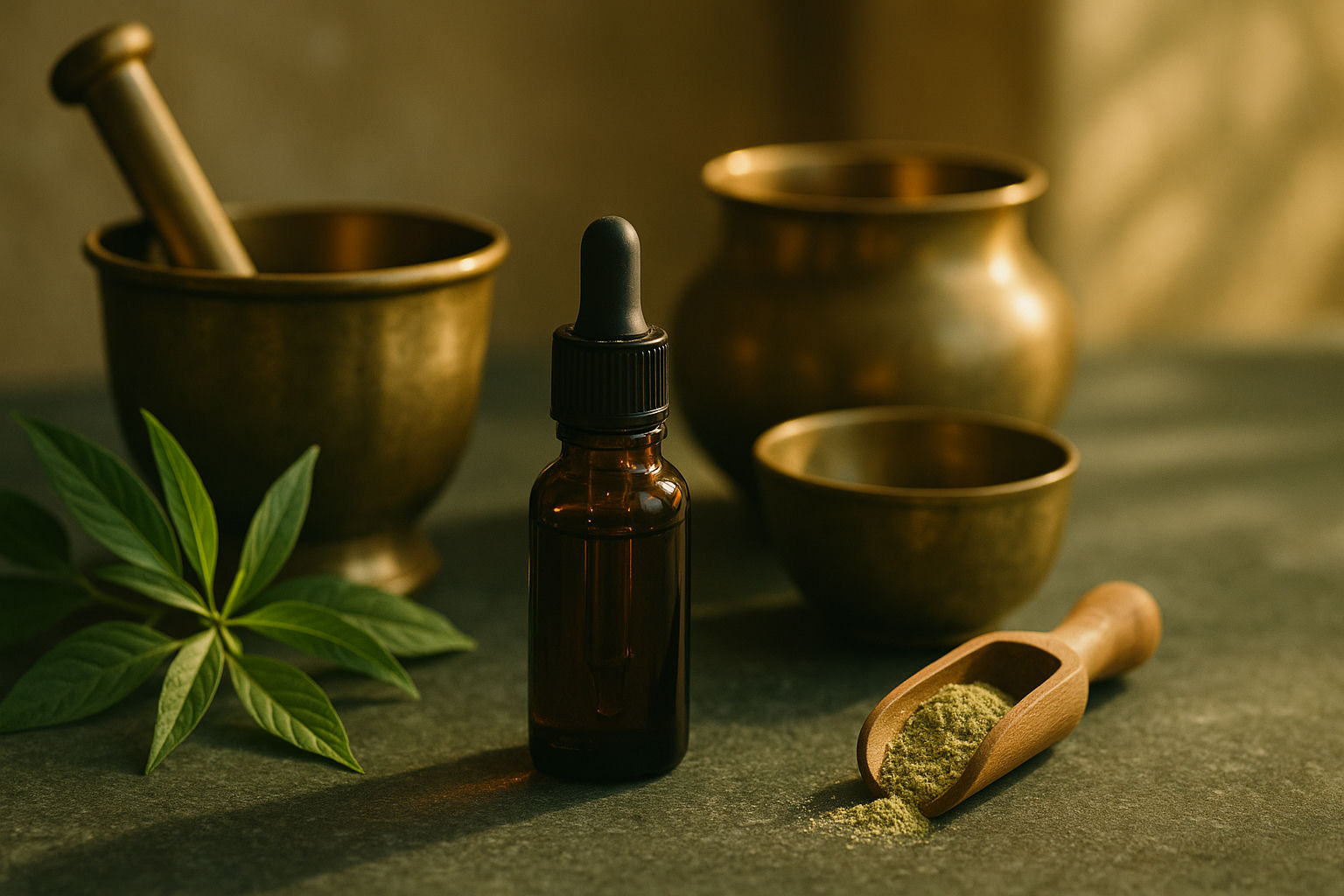
Hemp protein benefits in India: what it is, how it compares, and how to use it daily
Hemp protein offers a plant-based complete protein with all nine essential amino acids, making it useful for vegetarians across India. It also provides omega fatty acids and fiber. Growing awareness of plant nutrition and wider AYUSH-licensed availability have brought it into everyday wellness conversations.
Hemp protein in India: the complete picture before you buy
Hemp protein is quietly earning a place on Indian kitchen shelves, and for good reason. Made from cold-pressed hemp seeds, it delivers a complete amino acid profile, meaning it supplies all nine essential amino acids that the body cannot make on its own.
For vegetarians and vegans navigating a largely plant-based diet, that is a genuinely useful quality.
This article walks you through exactly what a 30 g serving provides, how hemp protein stacks up against familiar Indian sources like paneer, dal, and whey, and why the complete protein question matters most for those who eat little or no meat.
You will also find simple, practical ways to work hemp protein into daily meals. No hype, no shortcuts, just the numbers and context you need to decide if hemp protein fits your routine.
What is hemp protein and why are Indians talking about it
Hemp protein is a powder made by cold-pressing hemp seeds and then milling the remaining seed cake into a fine flour. The seeds come from the Cannabis sativa plant, the same species that Ayurveda has long called Vijaya, a classical Sanskrit name for cannabis.
That connection sometimes raises eyebrows, so the first thing worth knowing is this: hemp seeds contain no psychoactive compounds. The compound responsible for a "high," tetrahydrocannabinol (THC), concentrates in the plant's flowers and leaves, not in its seeds. Eating hemp protein will not alter your mind in any way.
So why are Indian adults paying attention to it now? The short answer is protein. India has a quiet but significant protein gap, especially in vegetarian households.
A widely cited survey from 2017 found that roughly 73 percent of Indians are protein-deficient, and vegetarians, who make up a large share of the population, face the steepest shortfall.
(Editorial note: the original article attributes this figure to the Indian Market Research Bureau; the primary source should be verified before publish.) Most plant foods that anchor the Indian plate, rice, wheat rotis, and most vegetables, are low in protein or deliver incomplete amino acid profiles.
Dal is excellent but requires large portions to hit meaningful protein targets. Paneer is rich in protein but also high in saturated fat and not always suitable for vegans.
Hemp protein steps into this gap as a plant-based option that is easy to add to everyday cooking, carries a mild, nutty flavor, and brings fiber and healthy fats along with it.
Its roots in the Vijaya tradition give it an Ayurvedic lineage that resonates with many Indian consumers who prefer wellness choices grounded in classical knowledge rather than imported supplement culture.
Hemp protein nutrition: what a 30 g serving actually gives you
Numbers matter when you are evaluating a protein source. The figures below reflect a typical cold-pressed, minimally processed hemp protein powder. Values can vary slightly by brand and processing method, so always check the label of the specific product you buy.
- Protein: approximately 11 to 15 g, depending on whether the powder is a standard or concentrated grade
- Total fat: around 3 to 4 g, mostly unsaturated
- Omega-3 fatty acids (alpha-linolenic acid): approximately 0.9 to 1.2 g
- Omega-6 fatty acids (linoleic acid): approximately 2.5 to 3.0 g
- Dietary fiber: roughly 7 to 8 g, split between soluble and insoluble fiber
- Carbohydrates: approximately 9 to 11 g total
- Iron: around 3 to 4 mg, which covers 15 to 20 percent of a typical adult's daily requirement
- Magnesium: approximately 140 to 160 mg, a mineral many Indians do not get enough of
- Zinc: roughly 2 to 3 mg
- Phosphorus: approximately 300 to 350 mg
- Calories: around 110 to 130 kcal
That 30 g scoop does several jobs at once. It contributes meaningful protein, a solid fiber hit, and a useful supply of magnesium and iron, two nutrients that vegetarian diets frequently fall short on.
The fat content is low enough not to concern most people, and the fat present is largely the kind that traditional and nutritional literature associates with cardiovascular support.
Hemp protein vs common Indian protein sources
Comparing protein sources on a like-for-like basis helps you decide where hemp protein fits in your daily routine. The table below uses a 30 g serving for each food to keep the comparison fair. "Complete protein" means the food supplies all nine essential amino acids in meaningful amounts.
Allergen risk reflects the most common population-level concerns in India.
| Protein source | Protein per 30 g serving | Complete protein | Cholesterol | Common allergen risk |
|---|---|---|---|---|
| Hemp protein powder | 11 to 15 g | Yes | 0 mg | Low; no gluten, no dairy, no soy |
| Cooked toor dal (dry weight equivalent) | 6 to 7 g | No (low in methionine) | 0 mg | Low; legume sensitivity possible |
| Paneer (full-fat) | 6 to 7 g | Yes | approximately 20 to 25 mg | Moderate; contains dairy |
| Soy protein isolate powder | 22 to 25 g | Yes | 0 mg | Moderate to high; soy is a top allergen |
| Whey protein concentrate powder | 20 to 24 g | Yes | approximately 30 to 40 mg | High for lactose-intolerant individuals |
A few things stand out. Soy and whey deliver more protein per 30 g, but both carry meaningful allergen risk for a significant share of Indian adults. Soy allergy is rising in urban India, and lactose intolerance affects an estimated 60 to 70 percent of the Indian population.
Hemp protein sits in the middle of the protein-per-serving range but carries the lowest allergen burden of the group. It is also the only option here that combines a complete amino acid profile with zero cholesterol and substantial fiber in a single serving.
Complete protein and essential amino acids: why this matters for vegetarians
A complete protein contains all nine essential amino acids in amounts sufficient to support the body's needs. The nine essential amino acids are histidine, isoleucine, leucine, lysine, methionine, phenylalanine, threonine, tryptophan, and valine. The body cannot make these on its own, so they must come from food.
Most plant proteins are incomplete. Rice is low in lysine. Most legumes, including the dals that form the backbone of Indian vegetarian cooking, are low in methionine and cysteine. This is why the traditional Indian combination of dal and rice works nutritionally: the two foods complement each other's amino acid gaps.
It is a smart system, but it requires planning and volume.
Hemp protein is one of a small number of plant foods that qualifies as a complete protein on its own. It contains all nine essential amino acids, including meaningful amounts of lysine, which is the amino acid most commonly lacking in grain-heavy diets.
For a vegetarian or vegan adult trying to meet protein needs without combining multiple foods at every meal, this is a practical advantage.
The two primary proteins in hemp seeds are edestin and albumin. Edestin is a globulin protein, a type found in blood plasma and seeds, that research suggests the body digests with relative ease. Albumin is similarly digestible and belongs to the same class of protein found in egg whites.
Together, they give hemp protein a digestibility profile that compares favorably with many other plant proteins.
Omega fatty acids and everyday wellness support
Hemp seeds carry a natural ratio of omega-6 to omega-3 fatty acids of approximately 3:1. Nutritional researchers and traditional medicine practitioners have long considered a ratio in the range of 3:1 to 4:1 to be close to the balance the body works best with.
By comparison, the average modern Indian urban diet, heavy in refined vegetable oils, often runs at ratios of 15:1 or higher, with omega-6 far outweighing omega-3.
The specific omega-3 in hemp seeds is alpha-linolenic acid (ALA). ALA is a precursor that the body may convert, in limited amounts, to the longer-chain omega-3 forms EPA and DHA.
Hemp also contains small amounts of gamma-linolenic acid (GLA), an omega-6 that traditional and nutritional literature associates with support for skin and hormonal comfort.
In Ayurveda, hemp seeds have traditionally been used to support balance in the body's internal systems. Modern nutritional science suggests that a healthy omega-3 to omega-6 ratio may support heart and brain health over time. Calmosis frames these benefits as traditionally used support, not as guaranteed outcomes.
Individual responses vary, and anyone managing a specific health condition should speak with a physician before making changes to their diet.
Fiber, digestion, and appetite: the overlooked benefit
Most people researching hemp protein focus on the protein number and overlook the fiber. A 30 g serving of hemp protein powder typically delivers 7 to 8 g of dietary fiber. The daily recommended intake for an adult Indian is around 25 to 30 g.
That single scoop covers roughly a quarter to a third of the day's fiber target.
Fiber does several useful things. Soluble fiber slows the absorption of glucose into the bloodstream, which may help keep energy levels steadier after a meal. Insoluble fiber adds bulk to the digestive process and supports regular bowel movement.
Together, they contribute to what nutritionists describe as gut comfort, a feeling of easy, comfortable digestion rather than heaviness or bloating.
Hemp protein also benefits from the nature of its two main proteins, edestin and albumin. Both are relatively easy for the digestive system to break down compared with some other plant proteins. Soy protein, for instance, contains compounds called trypsin inhibitors that can interfere with protein digestion in some people.
Hemp protein is generally considered to carry less of this concern.
The fiber and protein combination may also support appetite regulation. Protein and fiber both contribute to a feeling of fullness after eating.
Adding hemp protein to a morning smoothie or a mid-morning lassi may help reduce the urge to snack heavily before lunch, though this effect will vary from person to person and is not a guaranteed outcome.
Vijaya in Ayurveda: the traditional context behind hemp
The Cannabis sativa plant has a documented presence in Indian classical texts stretching back more than two thousand years.
In Ayurvedic literature, the plant is called Vijaya, a name that translates roughly as "the one that brings victory" or "the one that overcomes." Classical texts including the Charaka Samhita and the Sushruta Samhita reference hemp in the context of supporting digestion, calming the mind, and easing physical discomfort.
(Editorial note: specific chapter and verse citations for these references should be verified before publish.)
It is worth being clear about what Vijaya means in different contexts. The classical Ayurvedic formulations that Calmosis produces, such as Vijaya oils and drops, come from specific parts of the hemp plant and carry AYUSH licensing. A registered Ayurvedic physician prescribes them through a consultation.
These are distinct from hemp protein powder, which comes from the seeds of the same plant and sits in the food ingredient category rather than the medicinal formulation category.
Hemp seeds themselves have their own classical reference in Ayurvedic texts, where they appear as nourishing and grounding. A term used in some regional traditions for hemp seeds is "Bhanga beej." Traditional preparations used them to support strength and vitality, particularly in communities across the Himalayan belt where the plant grows natively.
Understanding this lineage matters because it places hemp protein in a tradition that India has held for millennia, not as a foreign supplement trend imported from the West, but as a food with deep roots in this country's own medical and culinary history.
Is hemp protein legal and safe to buy in India
This is the question most Indian buyers ask first, and it deserves a direct answer.
Hemp seed-based nutrition products, including hemp protein powder, are available in India as food products. They are distinct from controlled parts of the cannabis plant.
The seeds do not contain psychoactive compounds in any meaningful amount, and the Food Safety and Standards Authority of India (FSSAI) regulates products made from them as food ingredients.
Calmosis's Vijaya-based wellness formulations, such as oils and drops, sit in a different regulatory category. These are AYUSH-licensed products, available through a consultation with a registered Ayurvedic practitioner. The AYUSH licensing system governs traditional medicine formulations and ensures that products meet quality and safety standards set by the Ministry of AYUSH.
If you are interested in Vijaya wellness oils or drops specifically, the right path is to book a free consultation with a Calmosis physician, who will assess your needs and guide you appropriately.
Hemp protein powder, as a seed-derived food product, does not require a prescription. Most healthy adults tolerate it well. It contains no THC in meaningful amounts, produces no psychoactive effect, and will not affect a standard drug test in the way that cannabis use would.
If you have specific concerns about interactions with medications or existing health conditions, you should speak with a doctor before starting any new supplement.
How to use hemp protein powder in an Indian kitchen
Hemp protein powder has a mild, slightly nutty flavor that works well in both sweet and savory preparations. It does not carry the strong, grassy taste that puts some people off other plant protein powders. Here are practical ways to add it to everyday Indian meals.
- Morning smoothie or lassi: Add 2 tablespoons (approximately 20 to 25 g) to a blender with curd, a banana, and a pinch of cardamom. Blend and drink. The protein and fiber will help you stay full through the morning.
- Roti or paratha dough: Replace 2 to 3 tablespoons of atta (whole wheat flour) with hemp protein powder per batch of dough. The rotis will be slightly denser but carry a pleasant nutty note. Start with a smaller substitution and adjust to taste.
- Dal: Stir 1 tablespoon of hemp protein powder into a bowl of cooked toor or moong dal just before serving. It dissolves easily and adds roughly 5 to 7 g of extra protein to the meal without changing the flavor noticeably.
- Chutney: Blend hemp protein powder into a green coriander or mint chutney alongside the usual ingredients. Two tablespoons per batch works well and raises the protein content of a condiment that is otherwise mostly fiber and flavor.
- Upma or poha: Sprinkle 1 to 2 tablespoons over a finished bowl of upma or poha before eating. No cooking is required, and the texture blends in naturally.
- Khichdi: Add hemp protein to the cooking water of a simple moong dal khichdi during the last few minutes of cooking. It thickens the dish slightly and adds a protein boost to an already nourishing meal.
A standard daily serving is 30 g, which is roughly 2 heaped tablespoons. You do not need to take it all at once. Splitting it across two meals is a practical approach for people who are new to higher-protein eating and want to let their digestion adjust gradually.
Who should talk to a doctor before adding hemp protein
Hemp protein is a food ingredient and most healthy adults tolerate it well. That said, certain groups should speak with a physician before adding it to their routine.
- Pregnant and breastfeeding women: Nutritional needs change significantly during pregnancy and lactation. A doctor or registered dietitian should guide any new addition to the diet during this period.
- People on prescribed medication: Hemp seeds contain compounds that may interact with certain medications, including blood thinners and immunosuppressants. If you take any regular prescription medication, you should check with your doctor first.
- People with known nut or seed allergies: Hemp is a seed, and while hemp allergy is uncommon, it is possible. Anyone with a history of seed or tree nut allergies should introduce hemp protein cautiously and with medical guidance.
- People with kidney conditions: High-protein diets can place additional load on the kidneys. Anyone managing a kidney condition should consult their physician before increasing protein intake from any source.
- Children and adolescents: This article is written for adults. Nutritional needs for children and teenagers differ, and a pediatrician should guide any dietary changes for minors.
If you are unsure whether hemp protein is right for your specific situation, the simplest step is to book a free consultation with a Calmosis physician. The consultation is free, and the doctor can review your health history and give you a clear, personalized answer.
Frequently asked questions about Hemp Protein: Benefits and How to Use It
Is hemp protein legal and safe to buy in India?
Yes. Hemp protein derived from industrial hemp seeds is legal in India when sourced from AYUSH-licensed suppliers and used as a food supplement. It contains negligible psychoactive compounds. Always buy from a reputable, licensed brand and consult a registered practitioner if you have any concerns.
How much protein does a 30 g serving of hemp protein powder actually contain?
A typical 30 g serving of hemp protein powder provides roughly 11 to 15 g of protein, depending on the brand and processing method. It also delivers around 3 to 4 g of fiber and beneficial omega-3 and omega-6 fatty acids in a single serving.
How does hemp protein compare to common Indian protein sources like dal and paneer?
Hemp protein is a complete protein, meaning it supplies all nine essential amino acids in one source, which most dals do not. Paneer provides complete protein but comes with saturated fat. Hemp protein adds omega fatty acids and fiber alongside its amino acid profile, which sets it apart.
Can vegetarians rely on hemp protein as a complete protein source?
Hemp protein may support vegetarians well because it contains all nine essential amino acids in a single plant source. Most plant proteins require combining foods to achieve this. It is not a guaranteed substitute for a varied diet, so a doctor or nutritionist can guide your overall plan.
What role do omega fatty acids in hemp protein play in everyday wellness?
Hemp protein naturally contains omega-3 and omega-6 fatty acids in a ratio that Ayurveda and modern nutrition both consider supportive of everyday wellness. These fats may support normal inflammatory balance and heart health. They are not a treatment for any condition - speak to a doctor for specific guidance.
Does hemp protein help with digestion and appetite?
Hemp protein may support digestion because it retains a meaningful amount of dietary fiber, which is often stripped from other protein concentrates. Fiber may help maintain a feeling of fullness and support regular digestion. Individual responses vary, so consult a doctor if you have a digestive condition.
What is the Ayurvedic context behind hemp and Vijaya?
Vijaya is the classical Ayurvedic name for cannabis, including hemp. Ancient Ayurvedic texts have traditionally referenced Vijaya to support calm, rest, and everyday comfort. Hemp protein comes from the seeds of the same plant and sits within this broader Ayurvedic wellness tradition recognized by India's AYUSH framework.
How can I use hemp protein powder in an Indian kitchen?
Hemp protein blends easily into lassi, smoothies, and porridge. You can stir it into dal or mix it into atta before making rotis. Start with one 30 g serving a day and adjust based on how your body responds. Its mild, nutty flavor suits most Indian recipes.
Who should speak to a doctor before adding hemp protein to their diet?
Anyone managing a chronic condition, taking prescribed medication, or who is pregnant or breastfeeding should consult a doctor first. If you have a known allergy to seeds or nuts, professional advice is especially important. Book a free consultation with a Calmosis physician to get guidance suited to your situation.
Start your hemp wellness routine with a doctor's guidance
Hemp protein is one piece of a broader picture. It brings plant-based complete protein, useful fiber, and a favorable fatty acid profile to the Indian kitchen, all from a seed with deep roots in this country's Ayurvedic tradition.
If hemp protein has you curious about what else the Vijaya plant may offer, Calmosis's range of AYUSH-licensed Vijaya oils and formulations is designed for adults who want to support calm, restful sleep, and everyday comfort through traditional Ayurvedic practice.
These formulations are not the same as hemp protein powder, but they share the same plant lineage and the same philosophy: work with the body gently, stay grounded in tradition, and make decisions with a real doctor's guidance.
Every Calmosis wellness journey starts with a conversation. A qualified Ayurvedic physician will look at your health history, your current routine, and your goals, and then suggest a path that makes sense for you specifically. There is no obligation and no pressure.
When you are ready, book a free consultation and take the first step toward a routine built around you.
Talk to a doctor, free