India's cannabis laws in 2026: what the NDPS Act, the Delhi High Court order, and AYUSH guidelines mean for you
4 months ago25 min read

India's cannabis laws in 2026: what the NDPS Act, the Delhi High Court order, and AYUSH guidelines mean for you

VijayaAyurveda
What do India's cannabis laws in 2026 mean for you - the NDPS Act, the Delhi High Court order, and AYUSH guidelines?

India's cannabis laws in 2026 allow AYUSH-licensed use of the Vijaya plant for Ayurvedic formulations while keeping recreational use illegal under the NDPS Act. The Delhi High Court order and updated AYUSH guidelines have clarified how licensed brands can produce and sell Vijaya wellness products legally.

Article at a glance

What India's cannabis laws actually mean for you in 2026

Cannabis has a longer history in India than most people realize. Ancient Ayurvedic texts describe Vijaya, the classical name for cannabis, as a plant with a range of traditionally recognized uses. Yet a single federal law, the NDPS Act of 1985, left most Indians believing the plant was simply and entirely illegal.

That picture has always been incomplete, and 2026 brings it into sharper focus. A Delhi High Court order, evolving AYUSH guidelines, and the law's own distinctions between plant parts all matter to anyone curious about legal Vijaya-based wellness products.

This article walks through what the law actually says, what the court order did and did not change, and where AYUSH-certified Ayurvedic formulations fit within that framework.

Introduction: why India's cannabis laws are in the spotlight in 2026

India's relationship with cannabis is older than most countries' legal systems. Ancient Ayurvedic texts describe Vijaya (cannabis) as a plant with a range of traditionally recognized uses.

Yet for decades, a single federal law cast a long shadow over the entire plant, leaving most Indians with the impression that cannabis was simply illegal, full stop.

That impression is incomplete, and 2026 is the year it is being tested most directly.

Reports from early 2026 indicate that the Delhi High Court issued an order asking the central government to review the cannabis-related provisions of the Narcotic Drugs and Psychotropic Substances Act, 1985, with a policy decision reportedly due by July 2026.

Readers should verify the current status of this order independently, as proceedings may have developed since this article was written. The order has triggered a wave of news coverage, much of it inaccurate.

No law has changed yet. Cannabis has not been legalized. But the legal picture is more detailed than a simple yes or no, and it has been that way since 1985.

Ayurvedic use of Vijaya sits in a distinct legal space, one that already permits AYUSH-certified formulations to reach consumers through a regulated channel.

This article explains where the law actually stands today, what the court order reportedly directed, how different parts of the cannabis plant are treated differently under Indian law, and what the July 2026 deadline could realistically change for Ayurvedic wellness products.

What the NDPS Act actually says about cannabis

The Narcotic Drugs and Psychotropic Substances Act, 1985 (NDPS Act) is the central law that governs controlled substances in India. When people say cannabis is illegal in India, they are usually referring to this law. What the law actually says is more specific.

The NDPS Act defines cannabis in three distinct forms. Ganja refers to the flowering or fruiting tops of the cannabis plant, excluding seeds and leaves when not accompanied by the tops. Charas is the separated resin extracted from the cannabis plant, including hashish oil.

The Act prohibits both ganja and charas for general use.

Bhang, the preparation made from the leaves and seeds of the cannabis plant, receives different treatment. The NDPS Act does not include bhang in its definition of cannabis, which means it falls outside the Act's central prohibition.

Regulation of bhang is left to individual states, which is why licensed bhang shops operate openly in states like Rajasthan and Uttar Pradesh.

The NDPS Act does not impose a blanket ban. Section 14 of the Act explicitly permits cultivation for medical, scientific, industrial, and horticultural purposes, subject to central government authorization.

Hemp cultivation, which uses low-THC (tetrahydrocannabinol, the primary psychoactive compound in cannabis) varieties, has been permitted in Uttarakhand since 2017 under this provision, following the state's Industrial Hemp Policy of that year.

The common misconception that cannabis is completely illegal in India collapses when you read the Act carefully. What the Act prohibits is recreational use of ganja and charas. What it permits, under the right authorizations and regulatory frameworks, includes medical, scientific, industrial, and traditional Ayurvedic use.

The January 2026 Delhi High Court order explained

Reports from early 2026 indicate that a bench of the Delhi High Court issued an order in a case raising questions about the medical and therapeutic use of cannabis under Indian law.

The court reportedly did not strike down any provision of the NDPS Act and did not legalize cannabis in any form. What it reportedly did was direct the central government to undertake a structured review.

According to those reports, the court directed the following. The Narcotics Control Bureau (NCB) director general was asked to coordinate stakeholder consultations, bringing together medical professionals, researchers, Ayurvedic practitioners, policy experts, and relevant ministries.

The government was asked to review the NDPS Act provisions that relate to cannabis, particularly those governing medical and scientific use. A policy decision was to be placed before the court by July 2026. Readers should verify these details independently, as the proceedings may have developed further.

The weight of such an order, if confirmed, lies in its procedural character. A High Court directing a government review with a named deadline and a named coordinating officer creates accountability. It is not the same as a legislative change, but it is not easy to ignore either.

What has not changed is the law itself. As of the date of this article, the NDPS Act remains in its current form. No new licenses have been issued, no new categories of use have been created, and no existing prohibition has been lifted.

Readers who have seen headlines suggesting cannabis is now legal in India should treat those headlines with caution. The court created a process, not an outcome.

How different parts of the cannabis plant are treated under Indian law

Understanding Indian cannabis law requires thinking about the plant in parts rather than as a whole. The law draws sharp distinctions between different components, and those distinctions carry very different legal consequences.

Ganja, the flowering tops of the female cannabis plant, carries the strictest controls. Possession, sale, purchase, transport, and use of ganja without authorization under the NDPS Act is a criminal offense. Penalties scale with quantity, ranging from six months imprisonment for small quantities to up to twenty years for commercial quantities.

Readers with specific legal questions should consult a qualified legal professional.

Charas, the resin form, receives equal severity. This includes preparations commonly known as hashish. The same penalty structure applies.

Bhang occupies a different position. Because the NDPS Act excludes leaves and seeds from its definition of cannabis when not accompanied by the tops, bhang falls outside federal prohibition. States may regulate it as they choose. Rajasthan operates licensed bhang vends, particularly around religious festivals.

Uttar Pradesh has a long history of state-regulated bhang sale. A traveler buying bhang lassi from a licensed shop in Jaipur is not violating the NDPS Act.

Hemp, defined internationally as cannabis with a THC content below 0.3%, is treated as an industrial and agricultural crop in states that have authorized its cultivation. Uttarakhand became the first Indian state to permit industrial hemp cultivation in 2017, issuing licenses to farmers for fiber and seed production.

The state has since expanded its hemp program, and other states have studied similar frameworks.

The cannabis plant's seeds are also generally excluded from the NDPS Act's strictest provisions, provided they are not accompanied by flowering tops. This distinction matters for hemp seed oil, hemp seed protein, and related food and cosmetic products.

Vijaya, as recognized in classical Ayurvedic texts and by the AYUSH Ministry, refers to the whole plant in a traditional therapeutic context. Its legal standing flows not from the NDPS Act alone but from the intersection of the NDPS Act, the Drugs and Cosmetics Act, 1940, and AYUSH regulatory frameworks.

That intersection is discussed in detail in the section below.

State-by-state snapshot: where cultivation and use are permitted

India's federal structure means that cannabis regulation is not uniform across the country. The NDPS Act sets the central framework, but states hold significant authority over bhang regulation, hemp cultivation licensing, and the implementation of medical or Ayurvedic use policies. The table below summarizes the current position in key states.

State Hemp cultivation Bhang regulation Medicinal or Ayurvedic use Legal basis
Uttarakhand Permitted under state license since 2017; licensed farmers grow for fiber and seed Not specifically regulated; general NDPS Act applies to ganja and charas State has expressed interest in medicinal cultivation; no formal program as of mid-2026 NDPS Act Section 14; Uttarakhand Industrial Hemp Policy 2017
Rajasthan Not currently authorized State-licensed bhang vends operate legally; sale regulated by Rajasthan Excise Act No specific state program; AYUSH-certified products available through licensed channels Rajasthan Excise Act; NDPS Act (bhang exclusion)
Uttar Pradesh Not currently authorized Licensed bhang shops operate in several cities; regulated by state excise No specific state program; AYUSH-certified products available through licensed channels UP Excise Act; NDPS Act (bhang exclusion)
Himachal Pradesh Pilot hemp cultivation programs discussed; no formal licensing as of mid-2026 Bhang use is culturally present; state regulation is limited No specific state program NDPS Act; state excise rules
Madhya Pradesh Not currently authorized Regulated bhang sale permitted in some districts No specific state program; AYUSH-certified products available through licensed channels MP Excise Act; NDPS Act (bhang exclusion)
Jammu and Kashmir Industrial hemp cultivation under discussion post-2019 reorganization Not specifically regulated No formal program; traditional use historically present in the region NDPS Act; J&K Excise Act
Kerala Not currently authorized; state has studied the question Not specifically regulated State government has previously discussed a medical cannabis framework; no formal program as of mid-2026 NDPS Act; Kerala Abkari Act
Maharashtra Not currently authorized Not specifically regulated at state level No specific state program; AYUSH-certified products available through licensed channels NDPS Act; Maharashtra Prohibition Act

This table reflects the position as of mid-2026 based on publicly available state policies and the NDPS Act framework. State policies can change, and readers with specific questions about their state should consult a qualified physician or legal professional.

Where AYUSH and Vijaya fit into the legal framework

The AYUSH Ministry (Ministry of Ayurveda, Yoga and Naturopathy, Unani, Siddha and Homoeopathy) operates a regulatory framework that is distinct from the NDPS Act's prohibition regime. This distinction is the key to understanding how Ayurvedic Vijaya products are legally available in India today.

Vijaya is listed as a classical ingredient in the Ayurvedic Formulary of India and in traditional texts including the Charaka Samhita and Sushruta Samhita. The AYUSH Ministry recognizes Vijaya as a legitimate Ayurvedic ingredient with a documented history of traditional use.

This recognition places it within the regulatory scope of the Drugs and Cosmetics Act, 1940, under the provisions governing Ayurvedic, Siddha, and Unani drugs.

The Drugs and Cosmetics Act allows Ayurvedic formulations containing Vijaya to be manufactured, sold, and dispensed under specific conditions. Manufacturers must hold a valid AYUSH manufacturing license. Formulations must conform to pharmacopoeia standards. A qualified Ayurvedic physician must oversee dispensing, or the channel must include physician oversight.

This is the regulatory track on which AYUSH-certified Vijaya wellness formulations operate. They are not operating in a legal gray area. They operate under a specific, recognized exemption that flows from the intersection of the Drugs and Cosmetics Act and the NDPS Act's provisions for medical and scientific use.

For consumers, this means that buying an AYUSH-certified Vijaya oil or formulation from a licensed brand, through a channel that includes a physician consultation, is a lawful activity in India.

The product should carry valid AYUSH certification, the buyer should obtain it through a proper channel, and a qualified physician should be involved in the process.

It is worth being clear about what AYUSH certification does not mean. It does not mean the product is approved to treat, cure, or prevent any specific disease. It means the product meets the manufacturing and ingredient standards set by the AYUSH regulatory framework for traditional Ayurvedic formulations.

Benefits are framed as traditionally used support, not as medical guarantees.

What the July 2026 deadline could mean for Ayurvedic wellness products

The Delhi High Court's reported July 2026 deadline asks the central government to present a policy decision on cannabis regulation. What that decision might look like is genuinely uncertain. Three broad paths are plausible, and each carries different outcomes for AYUSH-certified Vijaya products.

The first path is status quo. The government may respond to the court with a detailed report acknowledging the existing framework, noting the AYUSH and Drugs and Cosmetics Act provisions that already permit regulated Ayurvedic use, and declining to make broader changes to the NDPS Act.

In this scenario, nothing changes for AYUSH-certified Vijaya products. They continue to operate under the current framework, which already supports their legal availability.

The second path is limited reform. The government may introduce targeted amendments or new guidelines that clarify and expand the medical and Ayurvedic use provisions of the NDPS Act. This could include clearer licensing pathways for Vijaya cultivation for AYUSH purposes, expanded access through Ayurvedic pharmacies, or updated pharmacopoeia standards.

For AYUSH-certified brands, this path would likely mean a more workable regulatory environment and potentially wider availability of formulations.

The third path is a broader review. The government may commission a longer-term policy process, potentially involving a committee or expert group, with recommendations due after July 2026. This path would extend the period of uncertainty but would also signal a more serious engagement with the question of cannabis policy reform.

All three paths share one feature: AYUSH-certified Vijaya formulations are unlikely to face new restrictions as a result of this process. The court's reported order was framed around expanding access and clarifying regulation, not tightening it.

The AYUSH framework's existing recognition of Vijaya as a classical ingredient provides a firm foundation regardless of which path the government chooses.

Readers should treat any specific prediction about the July 2026 outcome with caution. Policy processes of this kind often move more slowly than court deadlines suggest, and the final shape of any change will depend on consultations that are still ongoing.

Frequently asked questions about Unveiling India's Cannabis Laws: AYUSH Guidelines 2026

Is cannabis legal in India in 2026?

Recreational cannabis remains illegal under the NDPS Act. However, the leaves and seeds of the cannabis plant are exempt, and AYUSH-licensed Ayurvedic formulations using Vijaya are permitted. Legal use is tied strictly to licensed cultivation, AYUSH certification, and a valid physician's recommendation.

What did the January 2026 Delhi High Court order say about cannabis?

The January 2026 Delhi High Court order clarified the boundary between prohibited cannabis resin and flower on one side, and legally usable plant parts on the other. It reinforced that AYUSH-certified Vijaya formulations fall outside the NDPS Act's core prohibitions when produced under proper licensing.

What parts of the cannabis plant are legal under Indian law?

The NDPS Act exempts cannabis leaves and seeds from its primary prohibition. Roots and stems are also outside the restricted definition. The flower and resin remain controlled. AYUSH-licensed Ayurvedic products use only the permitted parts of the plant within regulated formulations.

How does AYUSH certification make Vijaya products legal?

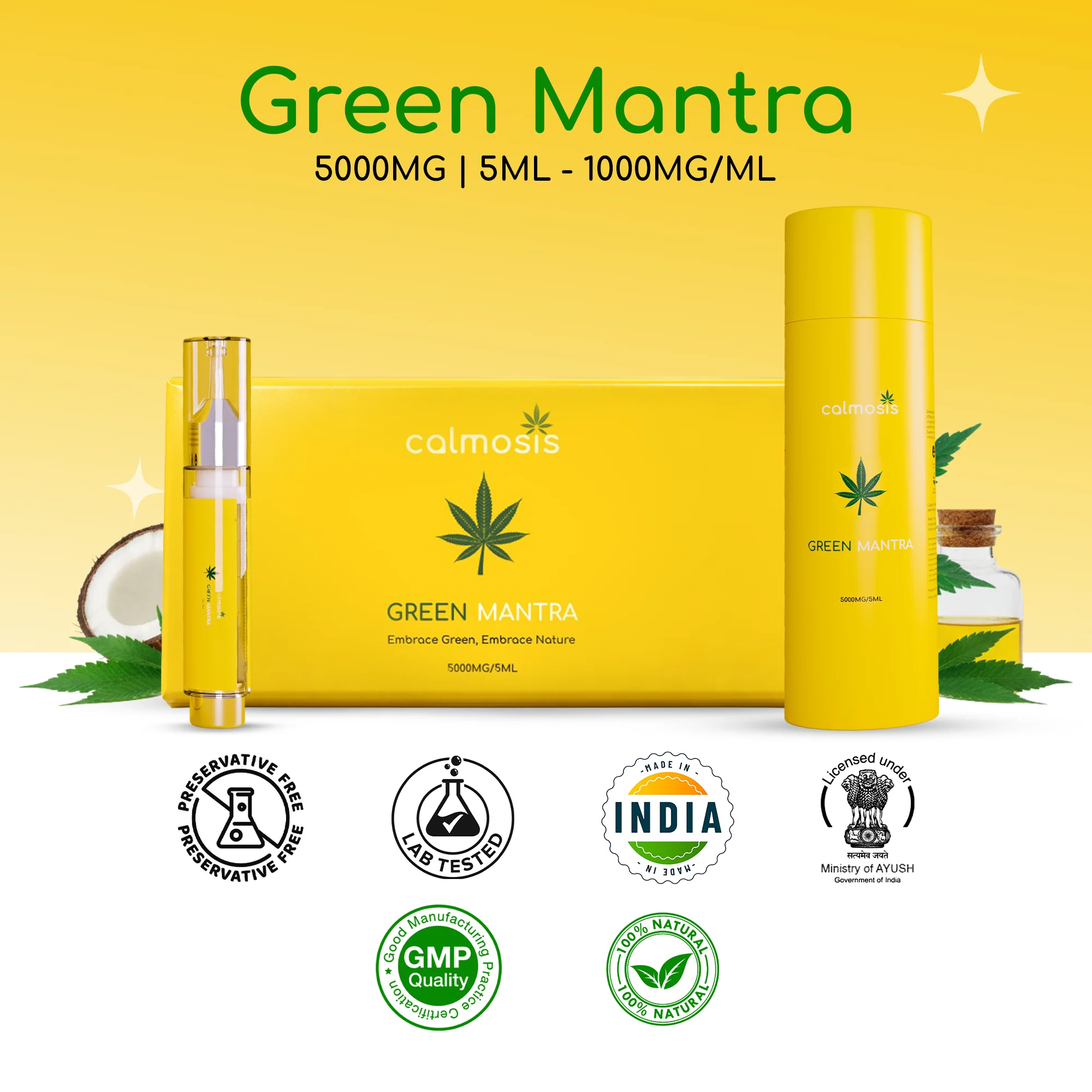
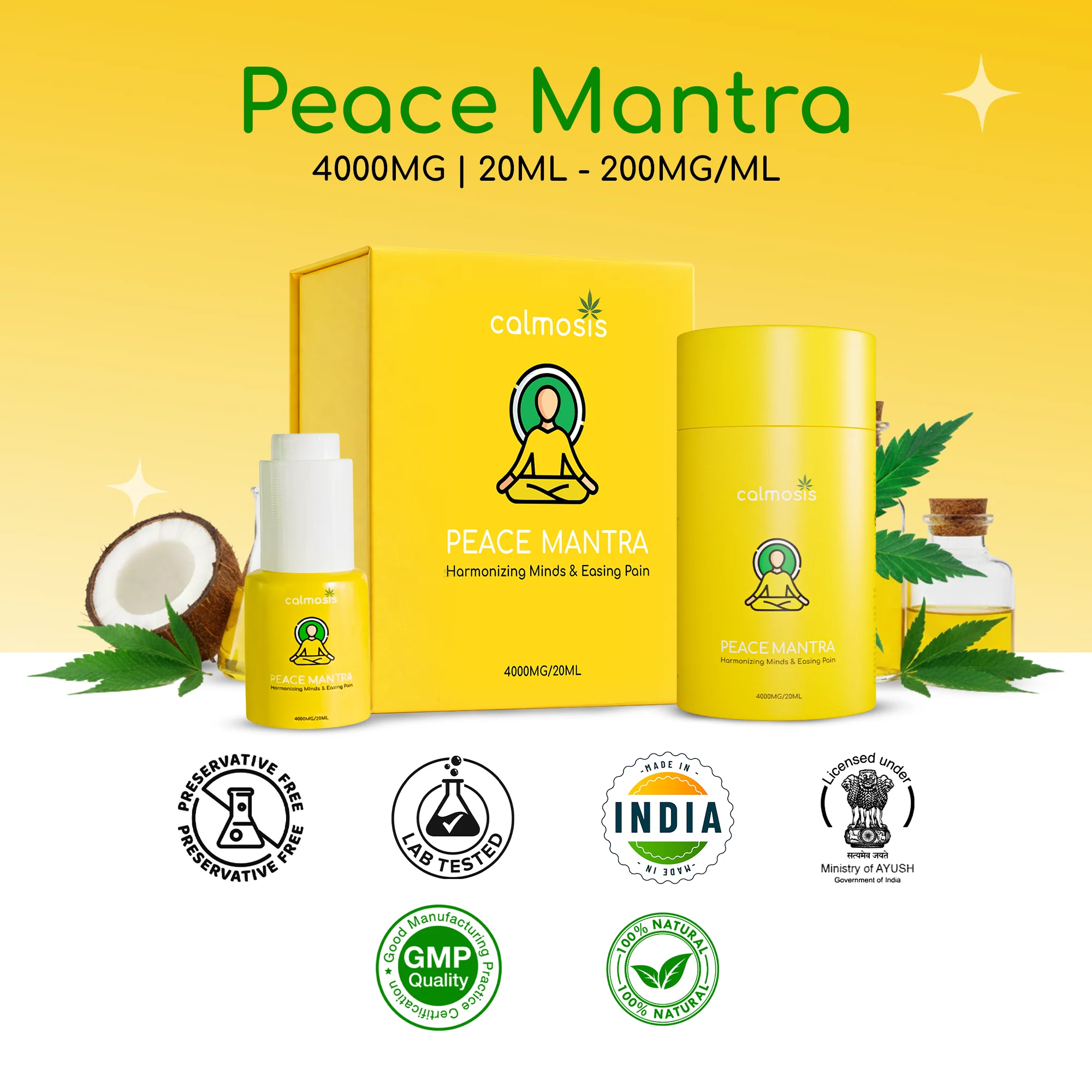
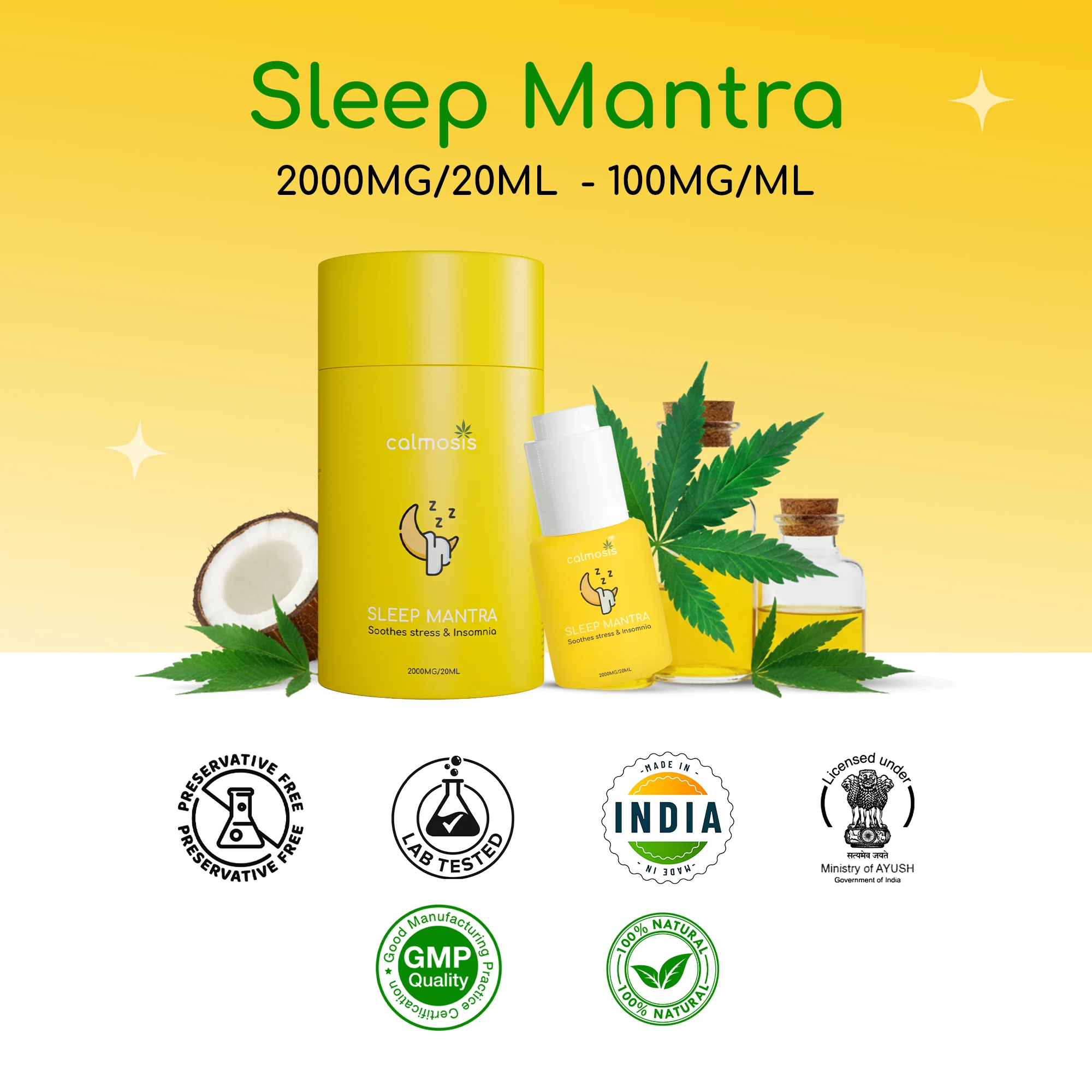
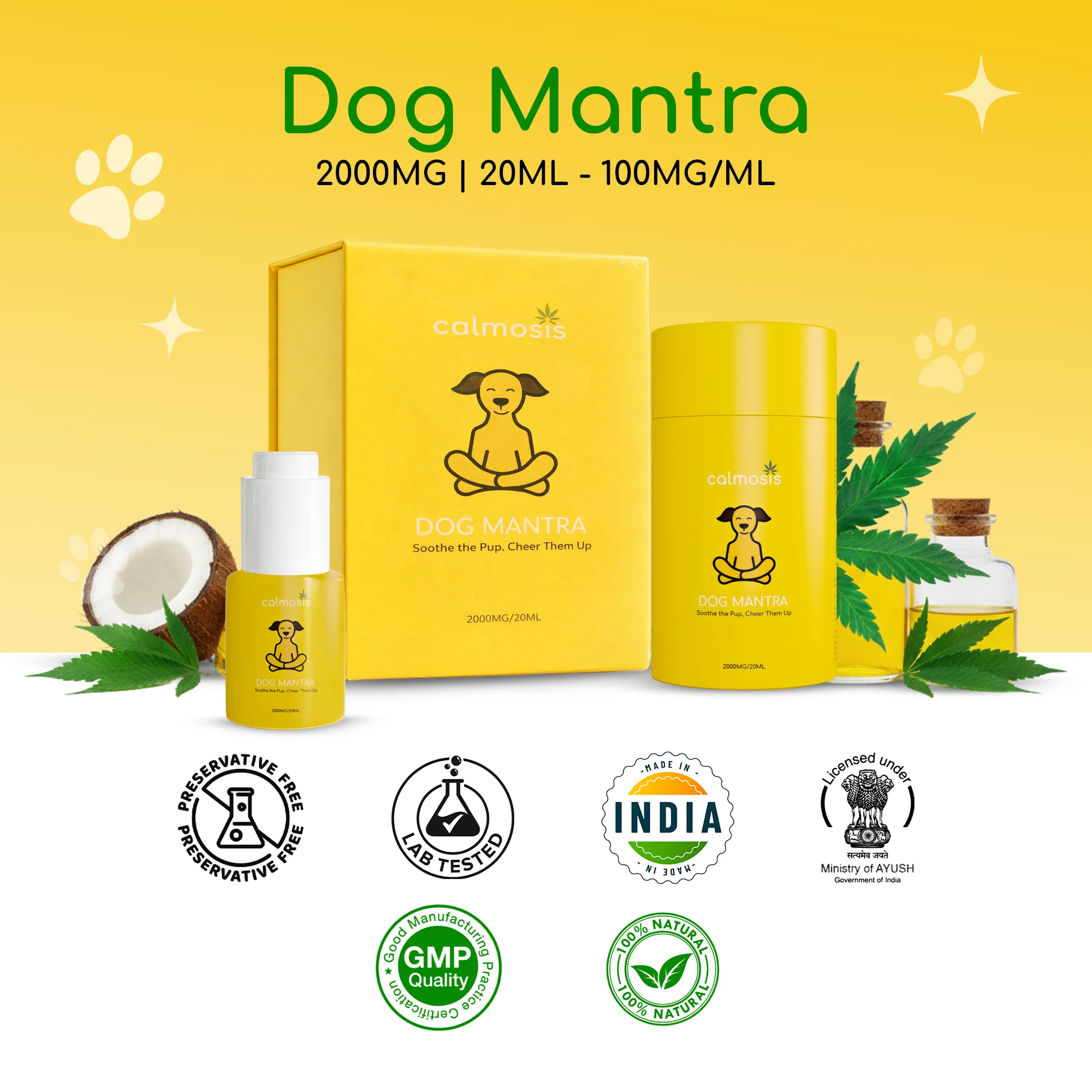
AYUSH certification means a brand meets the government's standards for Ayurvedic manufacturing, ingredient sourcing, and labeling. A certified brand like Calmosis can legally produce and sell Vijaya formulations. Products must still be used under physician guidance, which is why Calmosis offers a free doctor consultation.

Which Indian states allow Vijaya cultivation or use in 2026?

A small number of states, including Uttarakhand and Himachal Pradesh, have issued licensed cultivation permissions for industrial hemp and Ayurvedic use. Rules differ significantly by state. Check the current position in your state with a qualified physician before purchasing or using any Vijaya product.

What is the July 2026 deadline and how could it affect Ayurvedic wellness products?

The July 2026 deadline refers to a regulatory review point set by AYUSH for updated Vijaya product standards and licensing compliance. Brands that meet the revised guidelines can continue selling legally. Calmosis is AYUSH-certified and is actively tracking this deadline to keep its products compliant.

Can I use a Vijaya wellness product for a specific health condition?

Vijaya formulations have traditionally been used in Ayurveda to support calm, rest, and everyday comfort - not to treat or cure any condition. If you have a specific health concern, please book the free Calmosis doctor consultation so a qualified physician can guide you appropriately.

Is it safe and legal to buy Vijaya oils online in India right now?

Buying AYUSH-certified Vijaya oils from a licensed brand is legal in India. Safety depends on using the product as directed and ideally under physician guidance. Calmosis recommends booking a free doctor consultation before starting any Vijaya formulation to confirm it suits your individual situation.

What is Vijaya and how is it different from recreational cannabis?

Vijaya is the classical Ayurvedic name for the cannabis plant. In the Ayurvedic tradition, specific parts of the plant are used in controlled formulations to traditionally support wellness. Recreational cannabis involves unregulated use of the whole plant and remains illegal under the NDPS Act in India.

How to use Vijaya wellness products safely and legally right now

For most Indian adults reading this article, the practical question is direct. Can you legally use an Ayurvedic Vijaya wellness product today, and how do you do it safely?

The answer to the first part is yes, provided you use an AYUSH-certified formulation obtained through a proper channel that includes a qualified physician. This is not a workaround. It is exactly the channel that Indian law and the AYUSH regulatory framework have established for traditional Ayurvedic preparations.

In Ayurveda, Vijaya has traditionally been used to support calm, restful sleep, and everyday comfort. These are the areas where Calmosis formulations are positioned. They are not medicines in the pharmaceutical sense, and they do not claim to treat, cure, or prevent any disease or condition.

They are traditional Ayurvedic preparations that may support your wellness when used as directed by a qualified physician.

Using them safely means a few things in practice. You should start with a physician consultation so that the right formulation and the right amount are matched to your individual situation. You should be honest with your doctor about any other medications or health conditions you have.

You should follow the guidance you receive rather than self-prescribing based on what you have read online, including this article.

You should also choose products from a brand that holds valid AYUSH certification, sources its Vijaya through a compliant supply chain, and builds physician oversight into the purchase process. These are not optional extras. They are the features that make the product both legal and safe.

If you are curious about whether a Vijaya wellness formulation might support your sleep, your stress levels, or your everyday comfort, the right first step is a conversation with a qualified physician who understands both Ayurveda and your personal health picture.

That conversation costs nothing at Calmosis. Book a free consultation with a Calmosis physician today and get personal guidance on whether an Ayurvedic Vijaya formulation is right for you.

Talk to a doctor, free
Karan Naidu
Karan Naidu
Co-founder, Calmosis

I co-founded Calmosis in Bengaluru in 2023, an AYUSH-certified Ayurvedic wellness brand built around Vijaya, the classical name for cannabis in Ayurveda. I wanted to take a misunderstood plant out of the shadows and make it approachable, pairing traditional Ayurvedic knowledge with honest, plain-spoken guidance and a free doctor consultation, so people can decide what is right for them. I write about sleep, calm, and everyday wellness without hype or false promises, and I point anyone with a specific health question to a qualified physician. .