Plant-based nutrition for everyday wellness: a practical guide for Indian kitchens
Plant-based nutrition means building most of your meals around vegetables, fruits, legumes, grains, nuts, and seeds. Research suggests plant-rich diets may support energy, digestion, and long-term health. They also align closely with traditional Indian eating patterns, making the shift practical for most households.
Your kitchen already has a head start
Plant-based eating is not a foreign concept imported from a wellness trend. Indian cooking has centered vegetables, legumes, whole grains, and spices for centuries.
This guide helps you see what you are already doing well, where small shifts can make a real difference, and which nutrients deserve a closer look if you choose to eat fewer animal foods.
You will find practical context drawn from research, plain explanations of what the science does and does not prove, and honest guidance on nutrients like vitamin B12 that can quietly fall short.
Whether you are curious about eating more plants or simply want to get more from the meals you already cook, this article gives you a clear, grounded place to start.
What does plant-based actually mean?
Plant-based eating means building most of your meals around foods that come from plants. Vegetables, fruits, legumes, whole grains, nuts, and seeds form the foundation. Animal foods may still appear on the plate, but they take a smaller role or disappear entirely, depending on how far you want to go.
This is where people often get confused. Plant-based is not the same as vegan. A vegan diet excludes all animal products for ethical, environmental, or health reasons. A vegetarian diet drops meat but may keep dairy and eggs. Plant-based is a broader, more flexible idea.
It describes a direction of eating rather than a strict rulebook. You can eat plant-based and still have a bowl of dahi (yogurt) at lunch or a small piece of fish on the weekend.
For most Indian adults, this framing is good news. A traditional Indian diet already leans heavily on plant foods. Dal, sabzi, roti, rice, and seasonal vegetables have been the backbone of Indian cooking for centuries. If you eat this way regularly, you are already closer to plant-based eating than you might think.
The shift is less about replacing everything on your plate and more about paying attention to what already works and building on it.
Plant-based eating in the Indian kitchen
Walk into any Indian home at mealtimes and you will find plant foods everywhere. A typical lunch might include arhar dal (split pigeon peas) cooked with turmeric and jeera, a dry sabzi of aloo and methi, two rotis made from whole wheat atta, and a small bowl of rice.
That single meal delivers protein from the dal, fiber from the vegetables, complex carbohydrates from the grain, and a range of micronutrients from the spices. It is, by any reasonable definition, a plant-rich meal.
Indian regional cooking makes this even richer. In Maharashtra, you find pitla made from besan (chickpea flour) served with bajra bhakri. In Tamil Nadu, a thali built around sambar, rasam, kootu, and steamed rice is almost entirely plant-based. Bengali cuisine uses mustard oil and a wide variety of seasonal greens.
Rajasthani cooking relies on moth beans, ker sangri, and bajra in ways that have sustained communities across dry terrain for generations.
Fermented foods also play a large role. Idli, dosa, kanji, and kadhi all involve fermentation, which may support gut health and improve the availability of certain nutrients. These are not new wellness trends imported from abroad.
They are part of a food culture that has quietly practiced plant-forward eating for a very long time.
The practical point is this: shifting toward plant-based eating does not require you to abandon your food culture. In most cases, it means returning to it more deliberately, choosing the dal over the chicken curry more often, adding an extra sabzi, or swapping a refined-grain snack for a handful of roasted chana.
What the research says about plant-rich diets
A growing body of research has looked at what happens when people eat more plants over time. The findings are worth knowing, though you should read them carefully. Research shows associations, not guarantees, and individual results always vary.
Studies published in journals including the American Journal of Clinical Nutrition and the British Medical Journal have found that people who eat more plant foods tend to have lower average body weight and lower body mass index scores compared with those who eat mostly animal-based diets.
Researchers suggest this may relate to the higher fiber content of plant foods, which may support feelings of fullness and steady blood sugar levels.
Digestive health is another area where plant-rich diets show consistent associations. Dietary fiber from legumes, vegetables, and whole grains feeds beneficial gut bacteria. A review published in the journal Gut found that people eating diverse plant-based diets tended to have greater gut microbiome diversity, which researchers associate with better general digestive function.
These findings suggest that eating more plants may support digestive comfort, though they do not prove that any specific diet will treat or prevent a digestive condition.
Energy levels come up often in observational studies. People who shift toward more whole plant foods frequently report feeling less sluggish, though this is hard to separate from other lifestyle changes that tend to happen at the same time.
What is clearer is that whole plant foods provide a steadier release of energy compared with highly processed foods, because their fiber slows the absorption of carbohydrates.
None of this means a plant-based diet is a cure for any condition. If you have a specific health concern, the right step is to speak with a qualified doctor. You can book a free consultation with a Calmosis physician to discuss your individual situation.
Key nutrients to keep an eye on
Eating more plants is generally a positive shift, but some nutrients deserve attention, particularly if you reduce or remove animal foods from your diet. Knowing where the gaps might appear helps you plan around them.
- Vitamin B12. This is the nutrient most likely to fall short on a fully plant-based or vegan diet. B12 appears almost exclusively in animal-derived foods such as dairy, eggs, fish, and meat. Plant foods do not provide it in reliable amounts. If you eat no animal products at all, you should discuss a B12 supplement or B12-fortified foods with your doctor. Even people who eat small amounts of dairy and eggs should monitor their B12 levels periodically.
- Iron. Plant foods contain non-heme iron, which the body absorbs less efficiently than the heme iron found in meat. Good plant sources include rajma (kidney beans), chana, lentils, spinach, and fortified cereals. Eating these alongside vitamin C-rich foods such as amla, tomatoes, or lemon juice may improve absorption. If you feel persistently tired or breathless, you should ask a doctor to check your iron levels rather than self-supplementing.
- Calcium. Dairy is the most concentrated source of calcium in the Indian diet. If you reduce dairy, you can find calcium in ragi (finger millet), sesame seeds, amaranth, tofu made with calcium sulfate, and dark leafy greens such as moringa and drumstick leaves. Ragi in particular is a traditional Indian grain with a calcium content that compares well with milk by weight.
- Omega-3 fatty acids. Fatty fish is the most efficient source of the long-chain omega-3s EPA and DHA. Plant foods such as flaxseeds, chia seeds, and walnuts provide ALA (alpha-linolenic acid), a shorter-chain omega-3 that the body converts to EPA and DHA only in limited amounts. If you eat no fish, an algae-based omega-3 supplement may be worth considering. You should discuss this with your doctor before starting.
- Protein. Indian plant foods are strong on protein. Dal, rajma, chole, moong, soya, paneer, and curd all contribute meaningfully. Eating a variety of legumes and grains across the day generally covers protein needs for most adults. Athletes or people with higher needs should speak with a nutrition-aware physician.
These are general pointers, not a prescription. Your individual needs depend on your age, health status, activity level, and how much you already eat from each food group. A doctor can give you specific guidance. Book a free consultation to talk through your nutritional picture with a qualified Calmosis physician.
Plant-based eating compared: a quick guide to common approaches
People use several different terms to describe plant-forward eating patterns. The table below lays out four common approaches so you can see where each one sits and decide which direction fits your life.
| Eating pattern | What it includes | What it limits or excludes | Best suited for | Key watch-out |
|---|---|---|---|---|
| Flexitarian | Mostly plant foods; occasional meat, fish, dairy, and eggs | Reduces but does not eliminate animal foods | People who want to eat more plants without strict rules | Easy to drift back toward heavy meat consumption without a loose plan |
| Vegetarian (lacto-ovo) | Plant foods, dairy, and eggs | All meat and fish | People comfortable with Indian vegetarian traditions | Monitor iron and omega-3 levels if fish was a regular part of the diet before |
| Vegan | Plant foods only | All animal products including dairy, eggs, and honey | People with strong ethical or environmental motivations | B12 supplementation is essential; calcium and omega-3s need active planning |
| Whole-food plant-based (WFPB) | Unprocessed or minimally processed plant foods | All animal products and all heavily processed foods including refined oils and refined grains | People focused on getting the most nutrient density from food alone | The most restrictive pattern; requires careful meal planning and regular nutritional review |
Most Indian adults find the flexitarian or vegetarian pattern the most natural starting point, given how Indian cooking already works. You do not need to commit to a label. Eating more plants more often is a worthwhile goal on its own terms.
Where Vijaya fits into a plant-based wellness routine
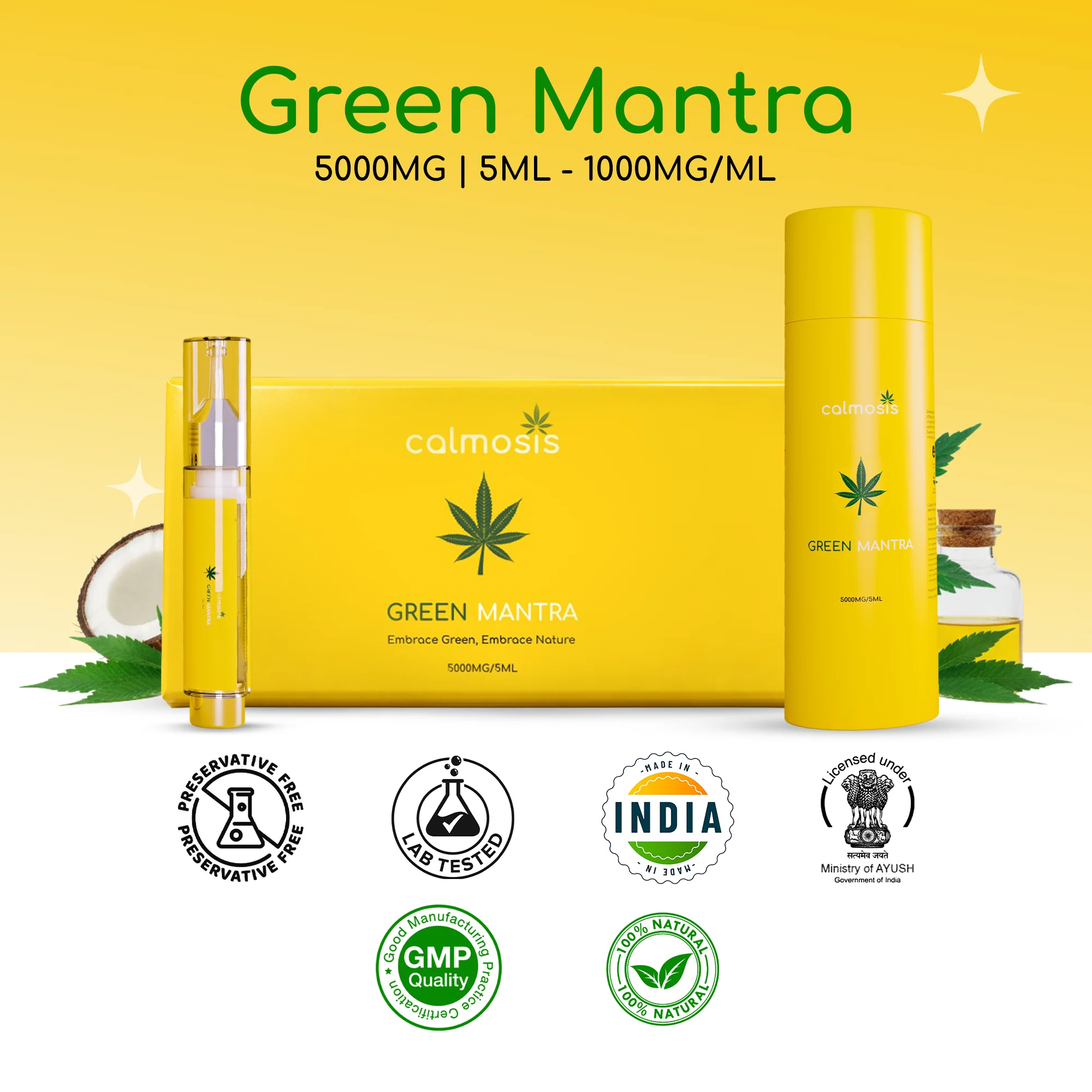
Vijaya is the classical Ayurvedic name for cannabis, a plant that has been part of Indian traditional medicine for many centuries. Classical Ayurvedic texts reference Vijaya for its properties relating to the mind and body. In the Ayurvedic tradition, practitioners have used it to support calm, restful sleep, and everyday physical comfort.
Calmosis formulates Vijaya oils and drops under AYUSH certification, working within the framework of traditional Ayurvedic practice. These are not pharmaceutical medicines. They are plant-based wellness formulations rooted in a documented herbal tradition, used alongside a free consultation with a qualified physician to ensure they suit each individual.
For someone building a plant-forward wellness routine, Vijaya fits naturally into the picture. A plant-based lifestyle is often about more than food. It tends to include attention to sleep, stress, and recovery alongside what you eat.
In Ayurveda, practitioners have traditionally used Vijaya to support a calm nervous system and a settled mind, which may complement the broader goals of eating well and living with less daily tension.
It is worth being clear about what Vijaya formulations are and are not. They are not a cure for any condition. They are not a substitute for prescribed medicine or a doctor's care.
They are a traditional plant ingredient that may support general calm and rest when you use them as directed and after a proper consultation. If you have a specific health condition or take any medication, you should speak with a doctor before trying any new formulation.
You can book a free consultation with a Calmosis physician who can assess your situation properly.
Simple steps to eat more plants starting this week
Changing how you eat does not require a dramatic overhaul. Small, consistent shifts tend to stick better than sudden complete changes. Here are practical ways to add more plant foods to your everyday Indian meals without making life complicated.
- Start with one plant-forward meal a day. If you already eat dal and sabzi for lunch, that meal is already largely plant-based. Build from there rather than trying to change every meal at once.
- Add a legume to meals where you would not normally use one. Stir cooked rajma into a tomato gravy. Add moong sprouts to your morning poha. Toss boiled chana into a salad or raita.
- Swap refined grains gradually. Replace maida (refined wheat flour) rotis with whole wheat or multigrain options. Try bajra or jowar rotis a few times a week. These grains are traditional, widely available, and nutritionally richer than their refined counterparts.
- Use vegetables as the main event rather than a side. A dry sabzi of lauki, tinda, or raw banana can anchor a meal just as well as a meat dish. Experiment with vegetables you usually ignore at the market.
- Snack on whole plant foods. A handful of roasted makhana (fox nuts), a few walnuts, or a small bowl of fruit replaces a processed biscuit or namkeen without requiring any cooking.
- Cook with a wider range of spices. Turmeric, cumin, coriander, and ginger are already common in Indian kitchens. These spices have long been used in Ayurvedic tradition for their general wellness properties. Using them generously costs nothing extra and adds depth to plant-based cooking.
- Keep fermented foods in rotation. Idli, dosa, kanji, and homemade dahi are easy to include regularly. They add variety and may support gut health over time.
- Plan one fully plant-based day per week. Many Indian households already observe this through religious fasting traditions. A plant-based day does not need to feel like deprivation. A well-made khichdi, a seasonal sabzi, and a glass of buttermilk make a complete and satisfying meal.
Progress matters more than perfection. Each additional plant food you add is a step in a useful direction.
Frequently asked questions about Plant-Based Nutrition for Optimal Wellness
Is plant-based eating suitable for an Indian kitchen?
Yes, the Indian kitchen is already well suited to plant-based eating. Dal, sabzi, rice, roti, and fermented foods like idli and dosa are all plant-based staples. Most households need only small adjustments rather than a complete overhaul of their existing cooking habits.
What nutrients should I watch on a plant-based diet?
Vitamin B12, iron, calcium, omega-3 fatty acids, and zinc deserve attention on a plant-based diet. Many Indian foods supply these, but gaps can appear if variety is low. A qualified physician can assess your specific needs and suggest the right foods or supplements for you.
What does the research say about plant-rich diets?
Studies consistently link plant-rich diets with better weight management, improved gut health, and lower markers of inflammation. No single food or diet guarantees any outcome, and individual results vary. Eating more plants is a supportive habit, not a substitute for medical care when a condition is present.
How is a plant-based diet different from vegan or vegetarian eating?
Plant-based eating prioritises plants without requiring strict elimination of all animal products. Vegan diets exclude every animal-derived food, while vegetarian diets vary widely. Plant-based is a flexible spectrum, so you can increase plant foods gradually without committing to a rigid label from day one.
Where does Vijaya fit into a plant-based wellness routine?
Vijaya, the classical Ayurvedic name for cannabis, is a plant-derived ingredient. In Ayurveda, Vijaya has traditionally been used to support calm, restful sleep, and everyday comfort. It may complement a plant-based routine as a wellness addition, not as a treatment for any specific condition.
Can plant-based eating help with stress or sleep?
Certain plant foods contain compounds that may support a calmer nervous system and more restful sleep. Results depend on the individual and overall lifestyle. If stress or sleep difficulties are ongoing concerns for you, book a free Calmosis doctor consultation to get guidance suited to your situation.
How do I start eating more plants this week without overhauling my diet?
Start by adding one extra serving of vegetables or legumes to a meal you already cook. Swap a refined snack for a handful of nuts or fruit. Small, consistent changes build lasting habits more reliably than a sudden complete dietary shift attempted all at once.
Is a plant-based diet safe for everyone in the family?
A well-planned plant-based diet suits most adults and can be nutritionally complete. Children, pregnant women, older adults, and anyone managing a health condition have specific needs that vary. Please speak with a qualified physician before making significant dietary changes for any of these groups.
Can Vijaya oils from Calmosis replace a balanced diet?
No, Vijaya oils are a wellness addition, not a replacement for balanced nutrition. They may support calm and rest as part of a broader healthy routine. For personalised advice on combining Vijaya with your diet and lifestyle, book a free consultation with a Calmosis physician.
Start your plant-based routine with guidance built around your body
Eating more plants is one of the most practical and culturally grounded shifts an Indian adult can make. The foods are familiar, the tradition runs deep, and the evidence points consistently toward better general wellness for people who eat this way over time.
But no two bodies are the same. Your age, your health history, your activity level, and your current diet all shape what a plant-based approach should look like for you. What works well for one person may need adjustment for another.
Nutritional gaps that matter for one individual may not concern someone else at all.
This is why personalized guidance matters more than any general article, including this one. A qualified physician can review your specific situation, check for nutritional gaps, and help you build a routine that fits your life rather than a generic template.
At Calmosis, we pair plant-based Ayurvedic formulations with a free consultation with a qualified doctor. Whether you are curious about Vijaya oils as part of your wellness routine, want to understand your nutritional needs better, or simply want a professional perspective on where to start, the consultation is the right first step.
There is no pressure and no obligation. It is a conversation with a real doctor who can give you real guidance. Book a free consultation today and take the first step toward a plant-based routine built around your body.
Talk to a doctor, free