Calmosis — Ayurvedic Cannabis Wellness Products (THC & CBD Formulations)
Experience the epitome of trust with our THC and CBD full-spectrum products, perfectly tailored to enhance your lifestyle
100% Secure Payment
SSL Encrypted
Free Delivery
On prepaid orders
5-Day Returns
Money-back guarantee
4.8/5 Rating
From 500+ reviews
The Vedic Mantras
Ancient Ayurvedic wisdom, modern wellness solutions
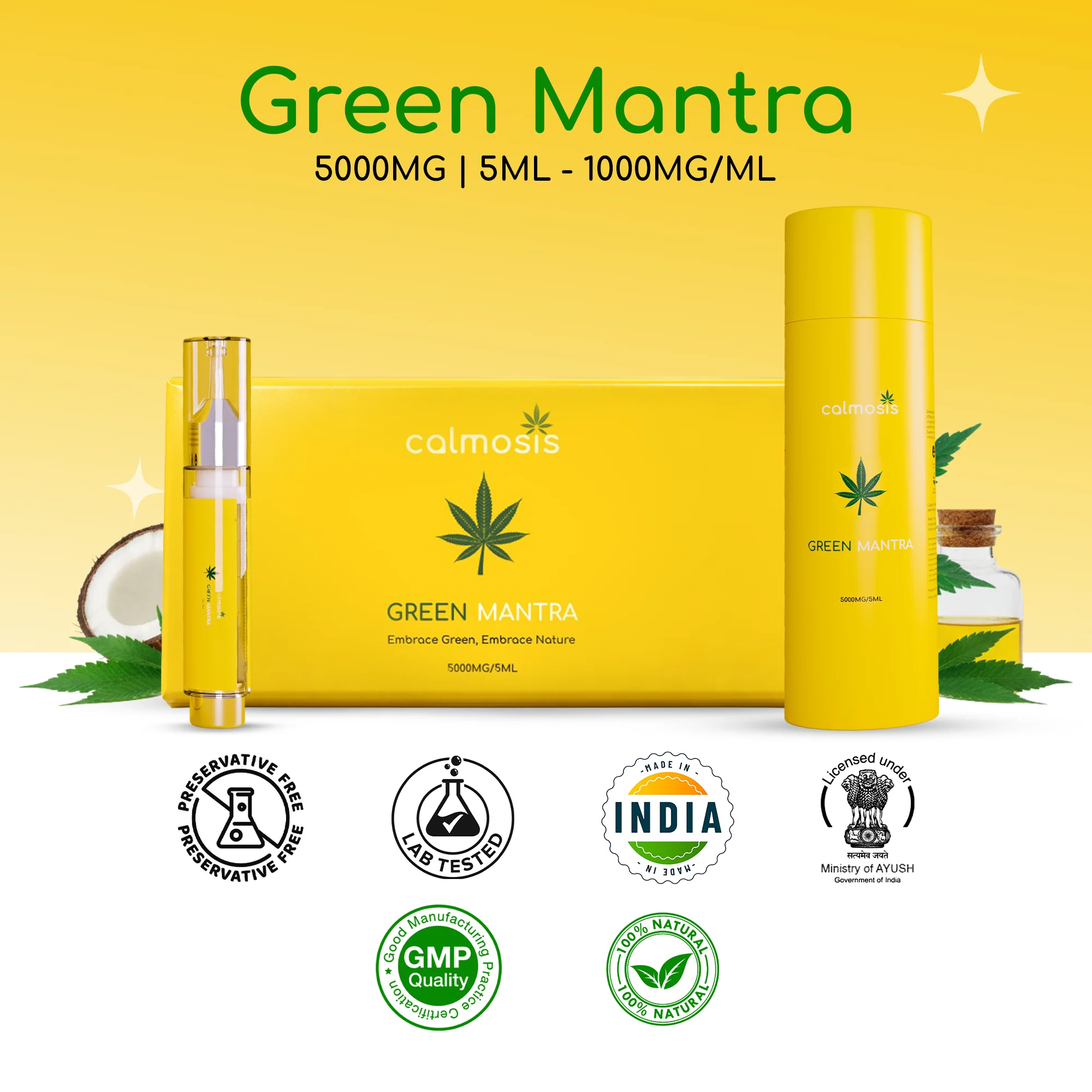
Green Mantra
Pain & Inflammation Relief
100% Pure Cannabis Extract. Most potent for chronic pain &...
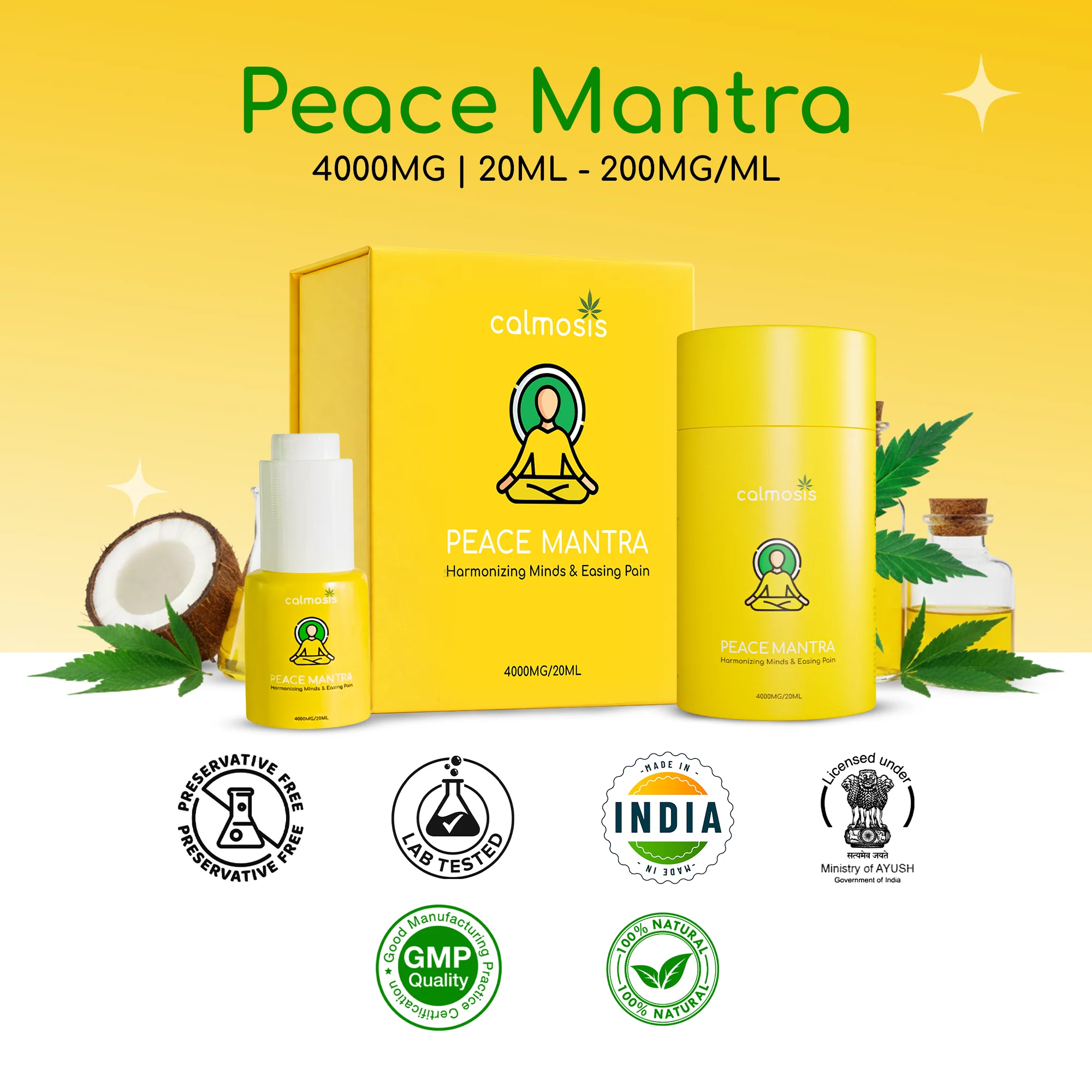
Peace Mantra
Instant Stress Relief
Your Daily Stress-Buster. Perfect for anxiety, work pressure &...
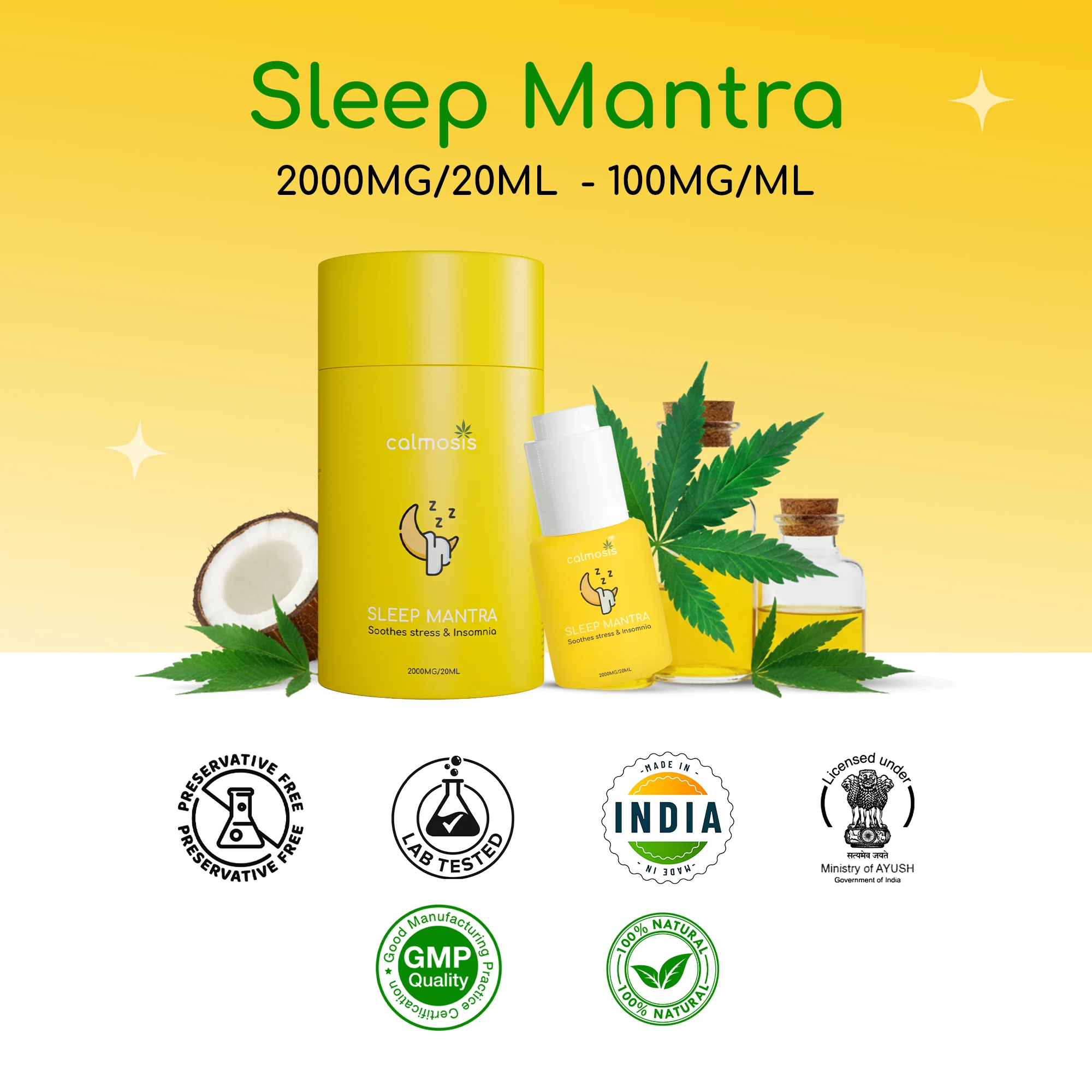
Sleep Mantra
Deep, Restful Sleep
#1 Best-Seller for Deep Sleep. Fixes insomnia naturally. Fall asleep...
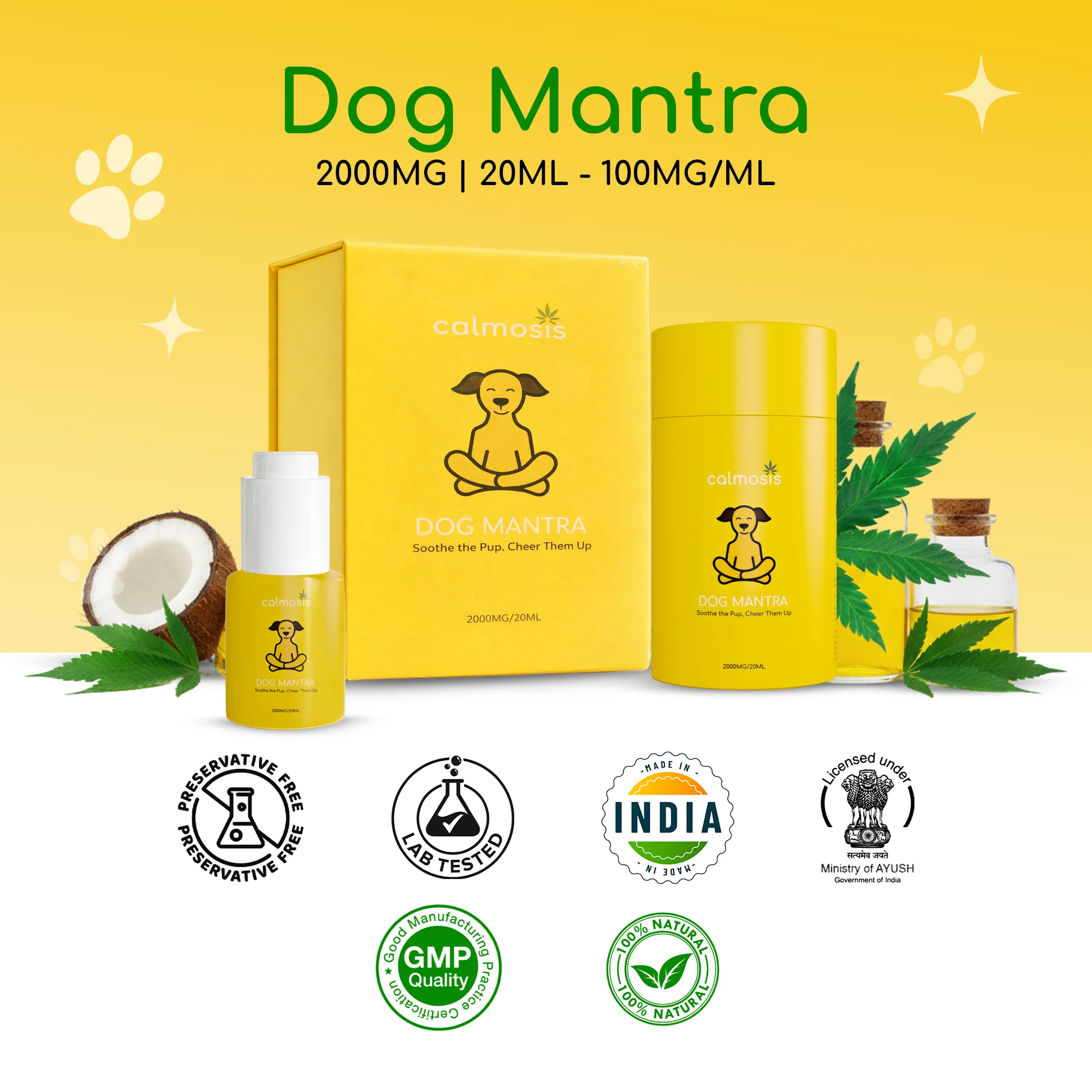
Dog Mantra
Pet Wellness & Calm
Vet-Approved for Your Furry Friend. Calms anxiety, supports...
'%20fill='%23F2D101'%20/%3e%3crect%20x='30.9868'%20y='18.5458'%20width='4.0629'%20height='11.3622'%20transform='rotate(39.2534%2030.9868%2018.5458)'%20fill='%23F2D101'%20/%3e%3crect%20x='16.1353'%20y='49.6063'%20width='21.6339'%20height='3.09056'%20fill='%23F2D101'%20/%3e%3c/svg%3e)
Rooted in Ayurveda, Crafted for Today
Established in 2023, Calmosis is a "Make in India" wellness brand that artfully combines the soothing essence of Cannabis — Vijaya — with timeless Ayurvedic wisdom.
All our products are recognized and approved by the state AYUSH Department, Madhya Pradesh, India. We prioritize transparency, purity, and your holistic well-being.
Holistic Wellness, Naturally Achieved
Natural & Organic
Sourced from premium Himalayan cannabis farms
Scientifically Validated
Each batch tested for potency and purity
Ayurveda Formulated
Blended with traditional herbs for synergy
Eco-Conscious
Sustainable farming, minimal carbon footprint
AYUSH Approved
Legally licensed under Indian Ayurveda law
No THC Alternatives
CBD-only options available for sensitive users
Free! Ayurvedic Doctor Consultation
Not sure which Mantra is right for you? Our certified Ayurvedic practitioners are here to guide your journey. Get a free personalized consultation and discover the perfect formulation for your needs.
Our Story
Get to know us
Established in 2023, Calmosis is a "Make in India" wellness brand that artfully combines the soothing essence of Cannabis with Ayurvedic wisdom.Know More ...