Broad vs Full Spectrum CBD India: Making the Right Choice
Understanding Broad Spectrum and Full Spectrum CBD: Key Differences
Broad spectrum and full spectrum CBD differ primarily in their cannabinoid content. Broad spectrum CBD includes multiple cannabinoids and terpenes but excludes THC, whereas full spectrum CBD contains THC, offering what is known as the entourage effect, enhancing therapeutic benefits [Russo, 2019, Frontiers in Plant Science]. Studies show full spectrum CBD can be more effective for certain conditions due to this effect [Gallily et al., 2018, Pharmacology & Pharmacy]. In India, understanding these differences helps you choose the right product based on your wellness goals and legal considerations.Bottom line: Broad spectrum avoids THC, while full spectrum offers enhanced benefits through the entourage effect.
How to Choose Between Broad and Full Spectrum: Considerations for Indian Buyers
Indian buyers must consider legality, therapeutic goals, and potential drug testing when choosing between CBD types. Broad spectrum CBD is ideal if you wish to avoid THC due to occupational drug testing or personal preference. Full spectrum CBD, however, could be more beneficial for managing anxiety or sleep disorders due to its comprehensive cannabinoid profile [Blessing et al., 2015, Neurotherapeutics]. In Bengaluru's fast-paced lifestyle, choosing the right spectrum can align with personal wellness goals.Bottom line: Choose based on therapeutic needs and THC considerations.
Legal Status of CBD in India: AYUSH Guidelines Explained
CBD products in India must comply with the AYUSH ministry's guidelines. Cannabis oils derived from Vijaya are legal when prescribed by a registered Ayurvedic practitioner and manufactured under AYUSH guidelines [Ministry of AYUSH, 2020]. The NDPS Act governs cannabis legality, ensuring safe therapeutic use. For urban professionals, understanding these regulations ensures you make informed, legal purchases.Bottom line: CBD is legal under AYUSH with a prescription; compliance ensures safe use.
Navigating Stigma: CBD Safety and Usage in India
CBD use in India is surrounded by stigma due to historical misconceptions. Despite its association with cannabis, CBD does not produce a psychoactive high when used correctly [World Health Organization, 2018]. More than 60% of users report therapeutic benefits without adverse effects [Corroon et al., 2018, Cannabis and Cannabinoid Research]. As awareness grows, more Indian professionals are embracing CBD for its health benefits.Bottom line: CBD is safe and non-psychoactive when used as prescribed.
How Calmosis Can Help
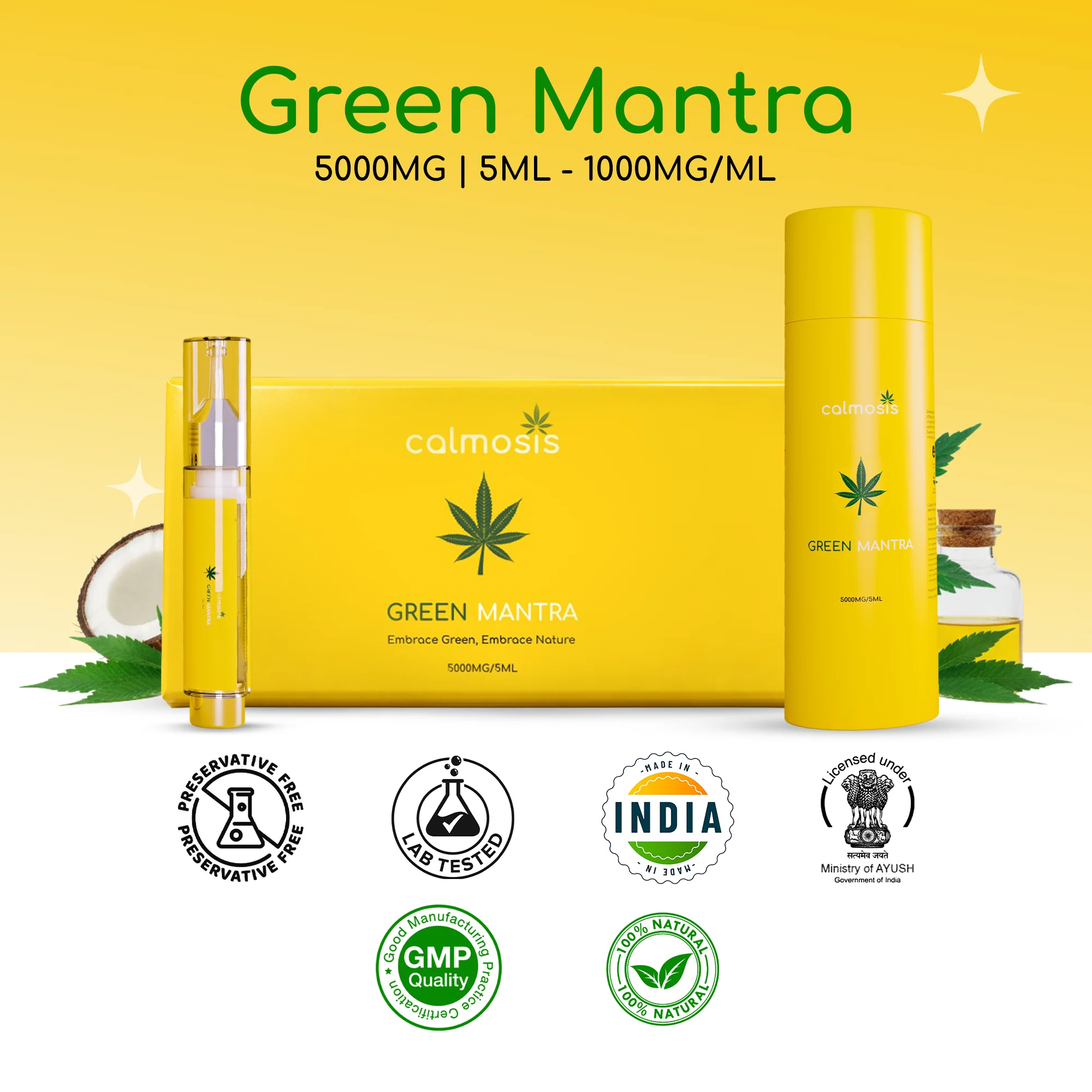
For managing stress and anxiety, Green Mantra offers an AYUSH-approved, GMP-certified formulation combining Vijaya with Ashwagandha for enhanced relaxation.Frequently Asked Questions
What is the difference between broad spectrum and full spectrum CBD?
Broad spectrum CBD includes multiple cannabinoids except THC, while full spectrum contains THC and offers the entourage effect for enhanced therapeutic benefits.
Which is better for anxiety: broad spectrum or full spectrum CBD?
Full spectrum CBD may be more effective for anxiety due to the entourage effect, though broad spectrum is suitable if you prefer to avoid THC.
Are Calmosis products compliant with AYUSH guidelines?
Yes, Calmosis products are AYUSH-approved and adhere to GMP certification standards, ensuring compliance with Indian regulations.
Will using CBD oil in India make me high?
No, using CBD oil as directed will not make you high. CBD is non-psychoactive and safe for therapeutic use.
What is the recommended dosage for full spectrum CBD oil?
The recommended dosage varies based on individual needs and should be guided by a healthcare professional, particularly when using full spectrum products.
References
- Russo, E.B. (2019). "The Case for the Entourage Effect and Conventional Breeding of Clinical Cannabis: No 'Strain,' No Gain." Frontiers in Plant Science, 9, 1969.
- Gallily, R., Yekhtin, Z., & Hanuš, L.O. (2018). "Overcoming the Bell-Shaped Dose-Response of Cannabidiol by Using Cannabis Extract Enriched in Cannabidiol." Pharmacology & Pharmacy, 9(3), 75-85.
- Blessing, E.M., Steenkamp, M.M., Manzanares, J., & Marmar, C.R. (2015). "Cannabidiol as a Potential Treatment for Anxiety Disorders." Neurotherapeutics, 12(4), 825-836.
- Ministry of AYUSH. (2020). "Guidelines for the Use of Cannabis for Medicinal Purposes." Government of India.
- World Health Organization. (2018). "Cannabidiol (CBD) Pre-Review Report." Expert Committee on Drug Dependence, 40th Meeting.
- Corroon, J., & Phillips, J.A. (2018). "A Cross-Sectional Study of Cannabidiol Users." Cannabis and Cannabinoid Research, 3(1), 152-161.